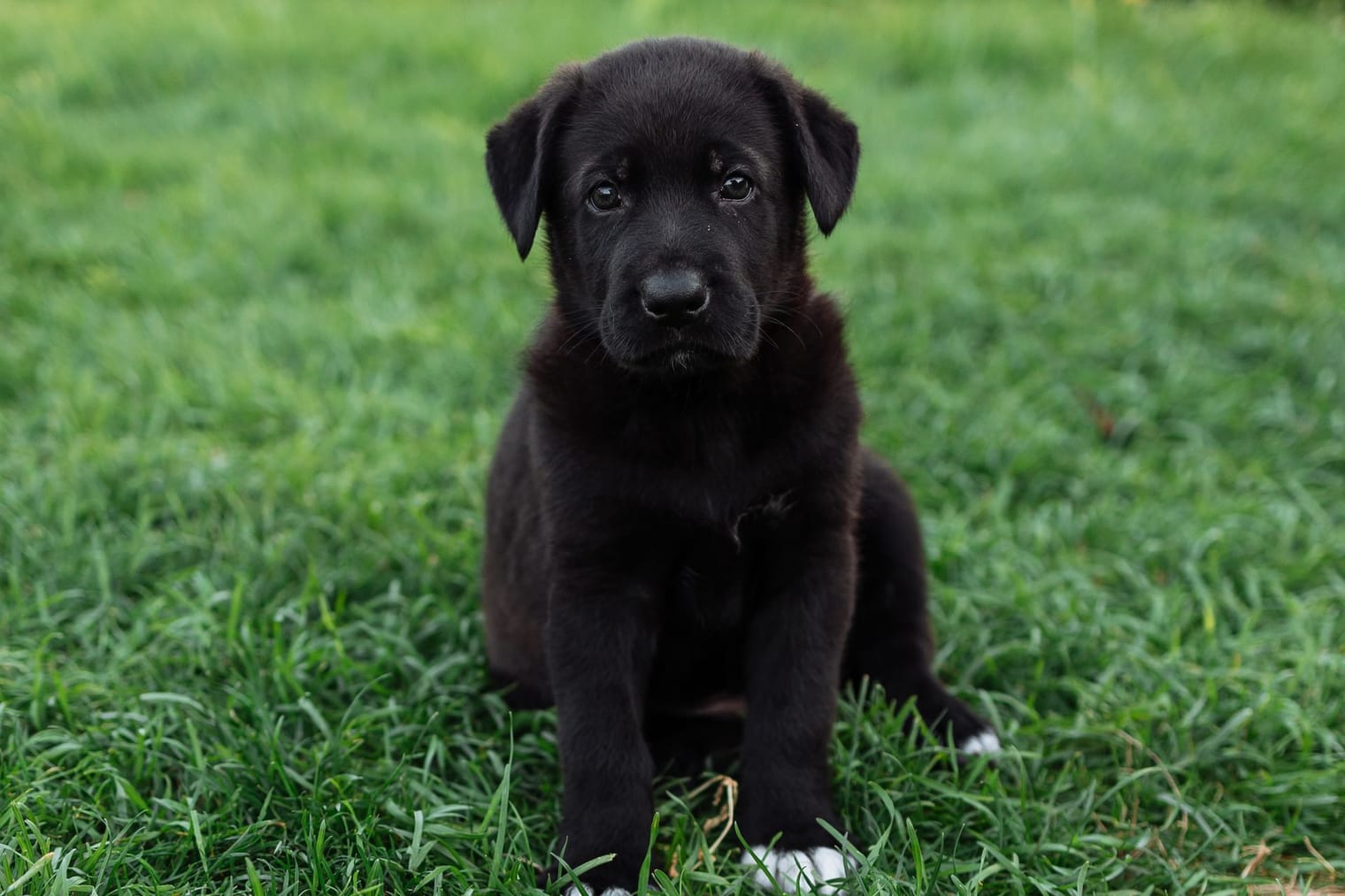
Almost every new owner worries about it, and almost every puppy does it. Mouthing and nipping are how puppies play and explore, made worse by sore teething gums, and they are not a sign of a bad-tempered dog. What matters is teaching your puppy that skin is off limits while toys are fair game. Here is the approach that works, and the common mistakes that quietly make it worse.
Why puppies bite
It helps to know what you are actually dealing with, because it is not naughtiness:
- Play and exploration. Puppies investigate the world with their mouths, and mouthy play is how they would tumble with littermates.
- Teething. From roughly 3 to 6 months the adult teeth push through and the gums are sore, so chewing and biting spike.
- Overtired or overexcited. Like an overtired toddler, a puppy who needs a nap often gets nippier, not calmer.
None of this is aggression. It is a stage, and it passes with the right response.
What actually works
The whole game is simple: teeth on skin ends the fun, teeth on a toy keeps it going. Repeat that consistently and your puppy learns fast.
- Redirect to a toy. Keep toys within reach in every room, and the instant teeth aim for skin, swap a toy or chew in.
- End the game when teeth touch skin. A short, high-pitched "ow", then go still, or calmly stand up and step away for 10 to 20 seconds. The message is clear: bites end the fun.
- Reward gentle play. Praise or treat the moments your puppy plays softly, licks instead of bites, or settles with a chew. Rewarded behaviour repeats.
- Meet their needs. A lot of biting is an overtired or under-stimulated puppy. Enough sleep, gentle activity and good chews head off most of it.
- Be consistent. Everyone in the house responds the same way, every time. Mixed messages are the main reason biting drags on.
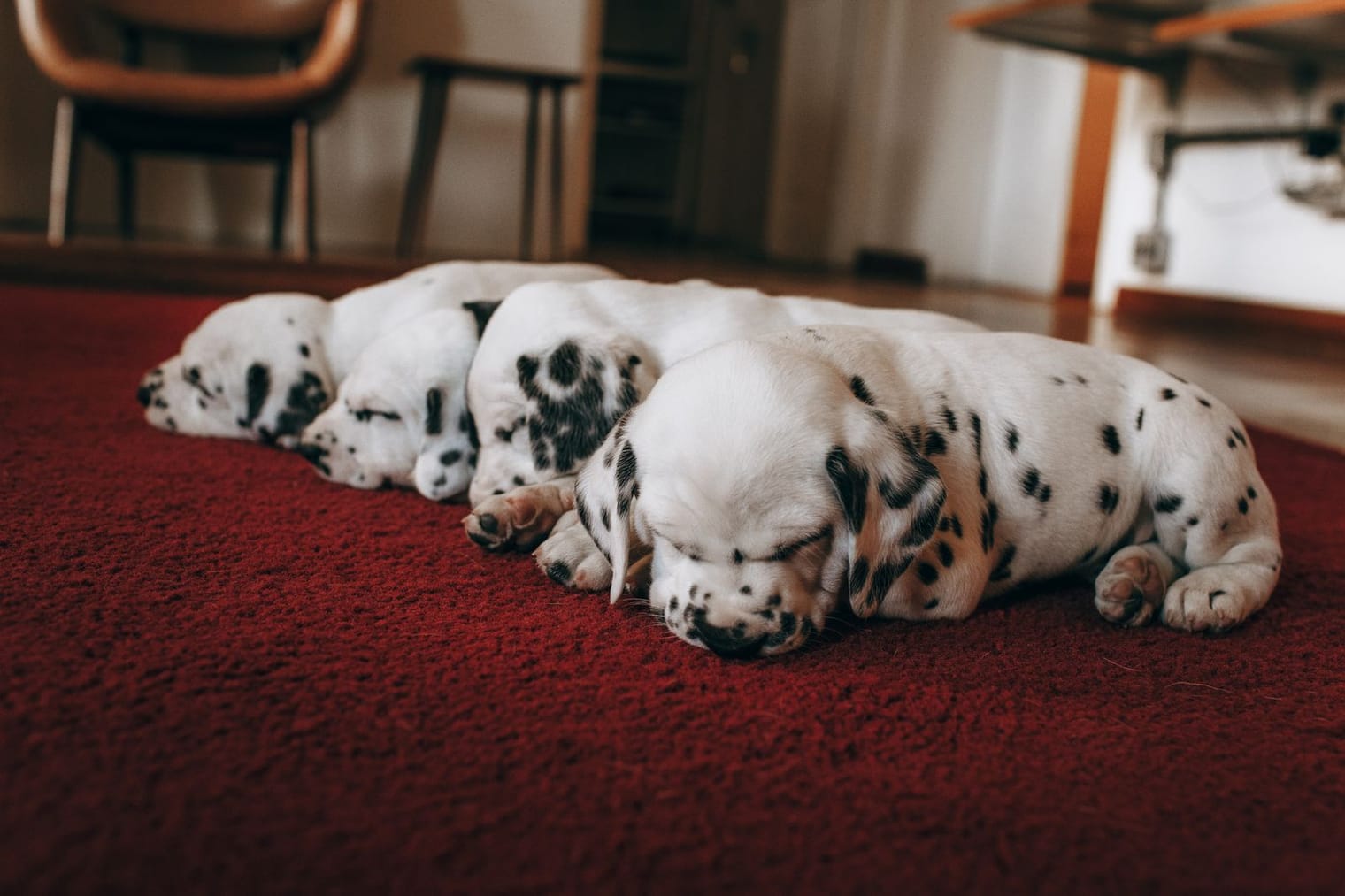
What backfires
These are the common reactions that make biting worse, not better:
- Punishment. Shouting, smacking or holding the muzzle shut frightens your puppy, can make biting worse, and teaches them that hands are threatening.
- Rough hand play. Wrestling or teasing with your hands teaches your puppy that hands are toys, the exact opposite of what you want.
- Snatching your hand away fast. The quick movement triggers the chase-and-grab instinct. Going still is far more effective.
- Being inconsistent. If teeth on skin sometimes ends the game and sometimes carries on, the lesson never lands.
The evening witching hour
If your puppy turns into a land shark every evening, you are not alone, it is so common it has a name. An overtired, overstimulated puppy bites more, and the fix is usually more rest, not more play. A calm wind-down, a chew, or a nap in a quiet space settles most evening biting quickly. Reaching for another play session tends to wind them up further.
When does puppy biting stop?
Most puppies grow out of the worst of it by around 6 to 7 months, once the adult teeth are through and they have learned to control their mouths. It fades gradually with consistent redirection rather than stopping overnight, so the work you put in now is what gets you there. Our guide to puppy exercise and the new puppy checklist cover the routine that keeps a puppy settled while you ride out the stage.
Is it aggression, and when to get help
Almost always, no. Play biting comes with a loose, wiggly body and no real intent to hurt. Genuine aggression looks different: a stiff body, a hard stare, escalating growling, or biting driven by fear or resource guarding. If your puppy's biting worries you, seems fearful, or is not easing with consistent redirection, speak to a qualified, reward-based trainer or your vet for a hands-on assessment. Early help is easy help.
Vivlo helps you ride out the stage. Because so much biting is overtiredness, Vivlo's nap and sleep tracking helps you spot when your puppy needs a rest, flags the developmental stage they are in, and Ask Pip can talk you through the tricky evenings.
See how it worksCommon questions
Why does my puppy bite so much?
Puppies explore the world with their mouths, so mouthing is normal play, not aggression. It ramps up during teething, roughly 3 to 6 months, when the gums are sore, and when a puppy is overtired or overexcited. Every puppy goes through it, and it passes.
How do I get my puppy to stop biting?
Redirect, do not punish. The moment teeth touch skin, stop the fun: a short, high-pitched "ow", go still, and offer a toy or chew instead. Reward gentle play. Consistency from everyone in the house teaches your puppy that teeth on skin ends the game, while teeth on toys keeps it going.
At what age do puppies stop biting?
Most puppies grow out of the worst of it by around 6 to 7 months, once the adult teeth are through and they have learned bite control. It fades gradually with consistent redirection rather than stopping overnight. If hard biting continues well beyond this, or seems fearful rather than playful, speak to a qualified trainer or your vet.
Should I punish my puppy for biting?
No. Shouting, smacking or holding the muzzle shut tends to backfire: it can frighten your puppy, make biting worse, or teach them that hands are threatening. Calm, consistent redirection to a toy, and ending play when teeth hurt, works far better and keeps their trust.
Why does my puppy bite more in the evening?
The evening "witching hour" is very common. An overtired or overstimulated puppy bites more, much like an overtired toddler. The fix is usually more rest, not more play: a calm wind-down, a chew, or a nap in a quiet space often settles it quickly.
Is my puppy biting aggressive?
Almost always no. Puppy mouthing is play and exploration, usually with a loose, wiggly body and no real intent to hurt. Genuine aggression looks different: a stiff body, a hard stare, escalating growling, or biting driven by fear or guarding. If your puppy's biting worries you or seems fearful, ask a qualified trainer or your vet for a hands-on assessment.
What can I give my puppy to chew instead?
Offer a variety of textures: a soft toy, a rubber chew, a rope toy, and something cool for sore teething gums, like a damp flannel chilled in the freezer or a chew made for freezing. Keep a toy within reach so you can swap it in the instant your puppy goes for skin.