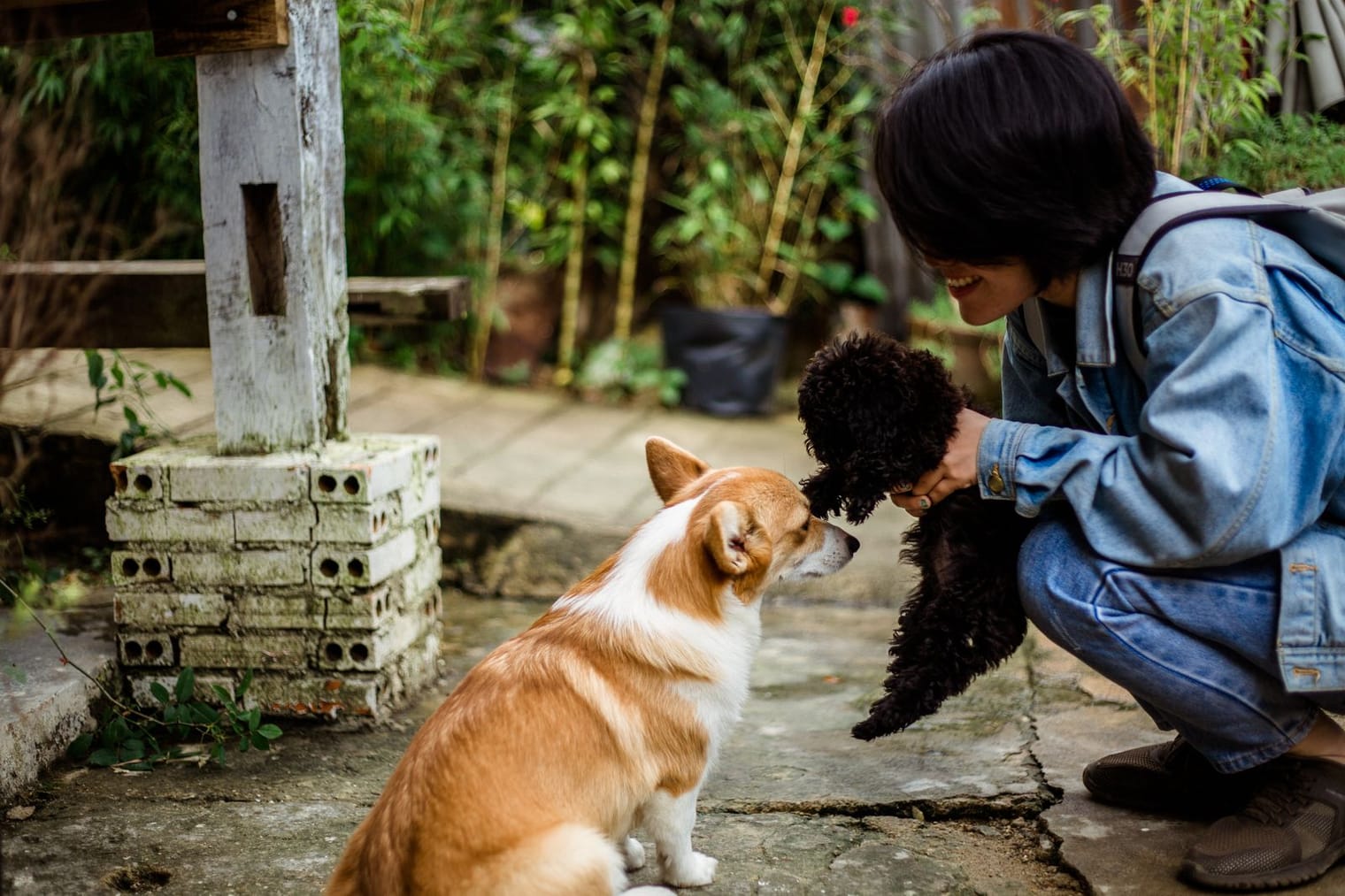
Socialisation is not about meeting as many dogs as possible. It is about gently teaching your puppy that the everyday world, its people, sounds, surfaces and other animals, is safe and normal. The weeks between about 3 and 16 are when this sinks in most easily, which makes early puppyhood the most valuable training window you will ever have.
The critical window: 3 to 16 weeks
Puppies have a sensitive period, roughly 3 to 16 weeks of age, when the brain is wired to accept new experiences as normal. A puppy who meets friendly strangers, hears the hoover, walks on different surfaces and rides in the car during these weeks tends to take it all in their stride later. Miss it, and the very same things can become frightening. The window does not close overnight at 16 weeks, but it narrows steadily, so the early weeks matter most. Much of it falls in your puppy's first month or two at home.
Socialise before full vaccination, safely
The most common mistake owners make is waiting until every vaccination is done before letting a puppy meet the world. By then the best of the window has often passed. You can, and should, socialise safely in the meantime:
- Carry them. Hold your puppy in your arms or a sling in public, so they can watch traffic, crowds and other dogs from safety.
- Invite safe dogs over. Let them meet calm, healthy, fully vaccinated dogs in your home or garden.
- Use clean spaces. Your own garden and private, clean areas are fine from day one.
- Go for the ride. Drive them places just to watch the world from the car window.
- Avoid the risky ground. Steer clear of public grass, puddles and places where unknown dogs toilet until your vet gives the all-clear.
Our guide on when your puppy can go outside covers the vaccination timeline in full.
What to introduce your puppy to
Variety is the goal. Aim to expose your puppy, gently and positively, to a wide range of everyday things. A rough checklist to work through:
- People: men, women and children, and people in hats, hi-vis, uniforms and glasses, and with pushchairs or wheelchairs.
- Dogs and animals: calm, vaccinated adult dogs, and where it is safe, cats and livestock seen at a distance.
- Sounds: traffic, the doorbell, the hoover, the washing machine, and thunder or fireworks played quietly at first.
- Surfaces: grass, gravel, tiles, wooden floors, metal grates and stairs.
- Handling: having paws, ears, mouth and tail touched, being brushed, and gentle vet-style checks.
- Situations: car trips, the vet waiting room, busy and quiet places, and short spells left alone.
How to do it well
Quality matters far more than quantity. A few good moments beat a long, overwhelming outing:
- Go at your puppy's pace. Let them choose to approach, and never drag or push them towards something they find scary.
- Keep it short and positive. Little and often works best. Stop while it is still going well.
- Pair new things with good things. Treats and praise teach your puppy that the world predicts nice outcomes.
- Read their body language. A relaxed, curious puppy is enjoying it. Watch for a tucked tail, flattened ears, yawning or lip-licking.
- End on a high. Finish each experience while your puppy is still happy, not after they have had enough.
Signs it is going too fast
A well-socialised puppy looks loose and interested. Slow right down if you see cowering, a tucked tail, trying to hide or escape, freezing, trembling, or barking and lunging out of fear. Forcing a frightened puppy to cope, sometimes called flooding, makes fear worse, not better. If your puppy is often scared, speak to your vet or a qualified, reward-based behaviourist early rather than hoping they will grow out of it.
Is it ever too late?
No. The prime window is 3 to 16 weeks, but dogs keep learning all their lives. If you have taken on an older puppy or a nervous rescue, the same rules apply: go slower, keep everything positive, and build confidence in small steps. Progress may be gradual, but it comes.
Not sure where to start? Vivlo's Ask Pip can build a simple socialisation plan for your puppy's age and help you keep track as you work through it, day or night. It is friendly general guidance, never a substitute for your vet, and it will always point you to a behaviourist when that is the right call.
See how it worksCommon questions
What is the puppy socialisation window?
The most important period is roughly 3 to 16 weeks of age, when a puppy's brain is primed to accept new things as normal. Positive experiences during this time shape how confident and relaxed your dog is for the rest of their life. It does not slam shut at 16 weeks, but it gets harder after, so make the most of it early.
Can I socialise my puppy before they are fully vaccinated?
Yes, and you should. Waiting until every jab is done can miss the key window. Carry your puppy in public to watch the world, invite healthy vaccinated dogs to your home, use clean private gardens, and avoid places where unknown dogs toilet until your vet says it is safe. The risk of a nervous, under-socialised dog is greater than most owners realise.
How do I socialise a puppy safely?
Keep every experience short, positive and at your puppy's pace. Let them choose to approach rather than forcing it, pair new things with treats and praise, and stop before they get overwhelmed. One good, calm experience is worth more than ten rushed ones.
What should I socialise my puppy with?
People of different ages and appearances, other calm vaccinated dogs, everyday sounds like traffic, the hoover and the doorbell, different surfaces underfoot, car trips, gentle handling of paws, ears and mouth, and short periods alone. Variety is the whole point: the goal is a dog who finds the everyday world unremarkable.
Is it too late to socialise my puppy?
No. The prime window is 3 to 16 weeks, but dogs keep learning throughout life. If you have an older puppy or a nervous dog, go slower, keep everything positive, and build up gradually. If fear is getting in the way, ask your vet or a qualified behaviourist for help.
How much socialisation does a puppy need?
A little every day beats a big outing once a week. Aim for one or two new, positive experiences a day, kept short. Watch your puppy's body language and stop while they are still enjoying it, so each experience ends on a good note.