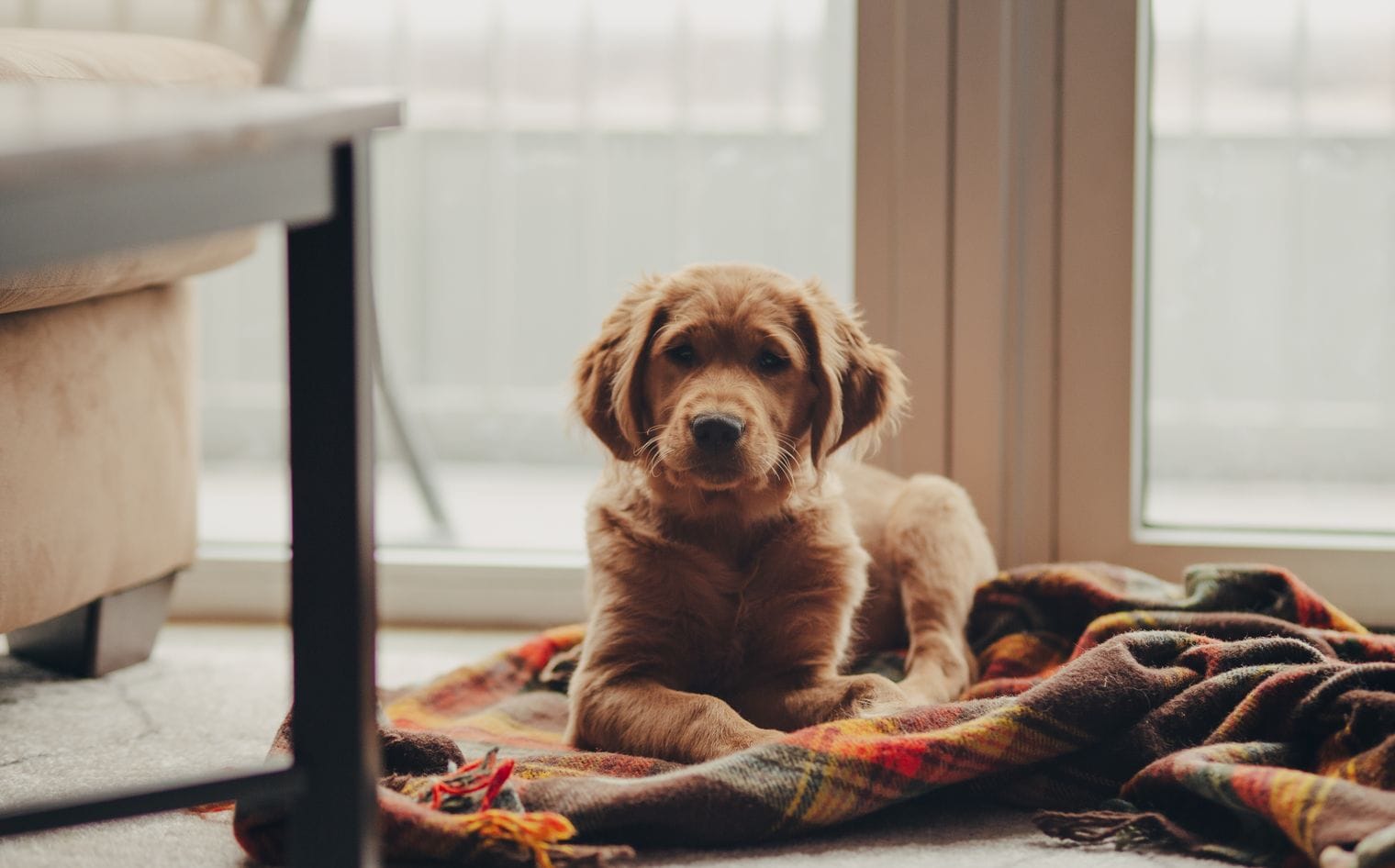
The short version: write down the time, and in or out, every trip. After a week or two the pattern shows itself, roughly every 90 minutes, worse after dinner, whatever it turns out to be for your puppy, and once you can see it coming you can be outside before the accident, not cleaning up after it.
Why a log beats memory
A handful of accidents feels random in the moment. It rarely is. The trigger is usually something ordinary that repeats every day, waking up, finishing a meal, the end of a play session, and memory alone is bad at spotting a pattern spread across two weeks and a dozen small events. A log turns "it feels like she goes a lot in the evening" into "she's out within 20 minutes of every dinner, without fail", one is a hunch, the other is a schedule you can act on.
What to actually write down
Keep it to what you'll actually use. For each trip:
- The time. The single most useful field, everything else is built on it.
- In or out. Whether it happened outside or indoors.
- What came just before it. Woke up, ate, finished playing, or nothing obvious.
Stool consistency is worth a note too if anything looks off, but it's a health field, not a training one, don't let it slow down the basic habit of logging every trip.
Reading the pattern once you have one
After a week of consistent logging, look for what clusters:
- A rough interval. Many young puppies land somewhere between 45 minutes and 2 hours between trips, tightening as they mature.
- A worst time of day. Early evening and straight after waking are common trouble spots, but every puppy's own version differs.
- A reliable trigger. If accidents cluster within 10 to 30 minutes of eating for your puppy specifically, that's the moment to build a trip around, every time, without waiting for a sign.
None of this is guesswork once it's on paper. It's just counting.
Keep it simple enough to survive week two
The logs that get abandoned are the detailed ones. A notebook by the door with three columns, or a single running note on your phone, beats a spreadsheet you'll stop opening. The only requirement is that logging a trip takes less time than the trip itself, otherwise it's the first thing to slip once the puppy stops being the only thing in the house.
When more than one person is logging
A puppy log is rarely kept by just one person. Partners take turns, older kids help, whoever's home takes the trip outside. If logging depends on whoever remembers to write it down, the pattern ends up looking patchier than it really is, not because the puppy is inconsistent, but because half the trips never made it onto the page.
The fix isn't putting one person in charge of the clipboard. It's making sure a trip gets logged no matter who took it, from whichever phone was actually there at the time, and everyone seeing the same picture afterwards rather than comparing notes at the end of the day.
When the pattern is the useful part
A puppy with a stable, several-week-old pattern who suddenly starts going far more often, or straining, or having accidents again after being reliable, is showing you something a log makes obvious and memory alone would miss for days: a sudden break from an established pattern, not just an isolated accident, is worth a vet visit. See our toilet training guide for the full method, this is the tracking half of it.
Vivlo does the logging for you, from everyone's phone. Tap wee or poo as it happens and Vivlo builds the pattern in the background: your puppy's own rough interval, the moments it clusters around, and a live prediction of the next likely trip. Family sharing means whoever's home can log it, all feeding into the same picture, so you're heading outside before the accident, not after it.
See how it worksCommon questions
How do I track my puppy's toilet training?
Write down the time and whether it happened in or out for every trip, along with whatever happened just before it (woke up, ate, finished playing). After a week or two, a rough pattern usually emerges: an interval between trips and a moment or two that reliably triggers one.
What should I write down each time my puppy goes to the toilet?
The time is the most useful field on its own. Beyond that, note whether it was outside or an indoor accident, and what happened just before it. Stool consistency is worth adding only if something looks off, it's a health note rather than a training one.
How long before a toilet training pattern shows up in a log?
Most owners can see a rough pattern, an interval between trips or a time of day accidents cluster around, within one to two weeks of consistent logging. It sharpens the longer you keep it up.
Does tracking actually help with toilet training?
Yes. Toilet training accidents usually have a real trigger, waking, eating, the end of play, but a handful of them spread over two weeks is hard for memory alone to connect. A log turns a vague sense of "she goes a lot in the evening" into a specific, actionable pattern.
Is there an app to track puppy toilet training?
Vivlo logs wees and poos in one tap and builds the pattern automatically, showing a live prediction of your puppy's next likely trip rather than a raw list of times you have to interpret yourself.
Should I track stool consistency as well as toilet trips?
It's useful, but as a separate, lower-effort health note rather than part of the core log. The core habit, time plus in or out for every trip, is what reveals the training pattern; consistency notes matter most when something already looks off.
Can more than one person log the same puppy's toilet trips?
Yes, and it's worth setting up properly rather than relying on one person to remember. In Vivlo, family sharing lets everyone log from their own phone, wherever they are, all feeding into the same shared pattern instead of a partial log that misses whatever trips the other person took.